The name Astley Cooper still echoes through Hemel Hempstead nearly two centuries after his death. Streets bear his name, a school carries his legacy, and the park that once formed the grounds of his country house remains a beloved public space.
From Norfolk to Hertfordshire
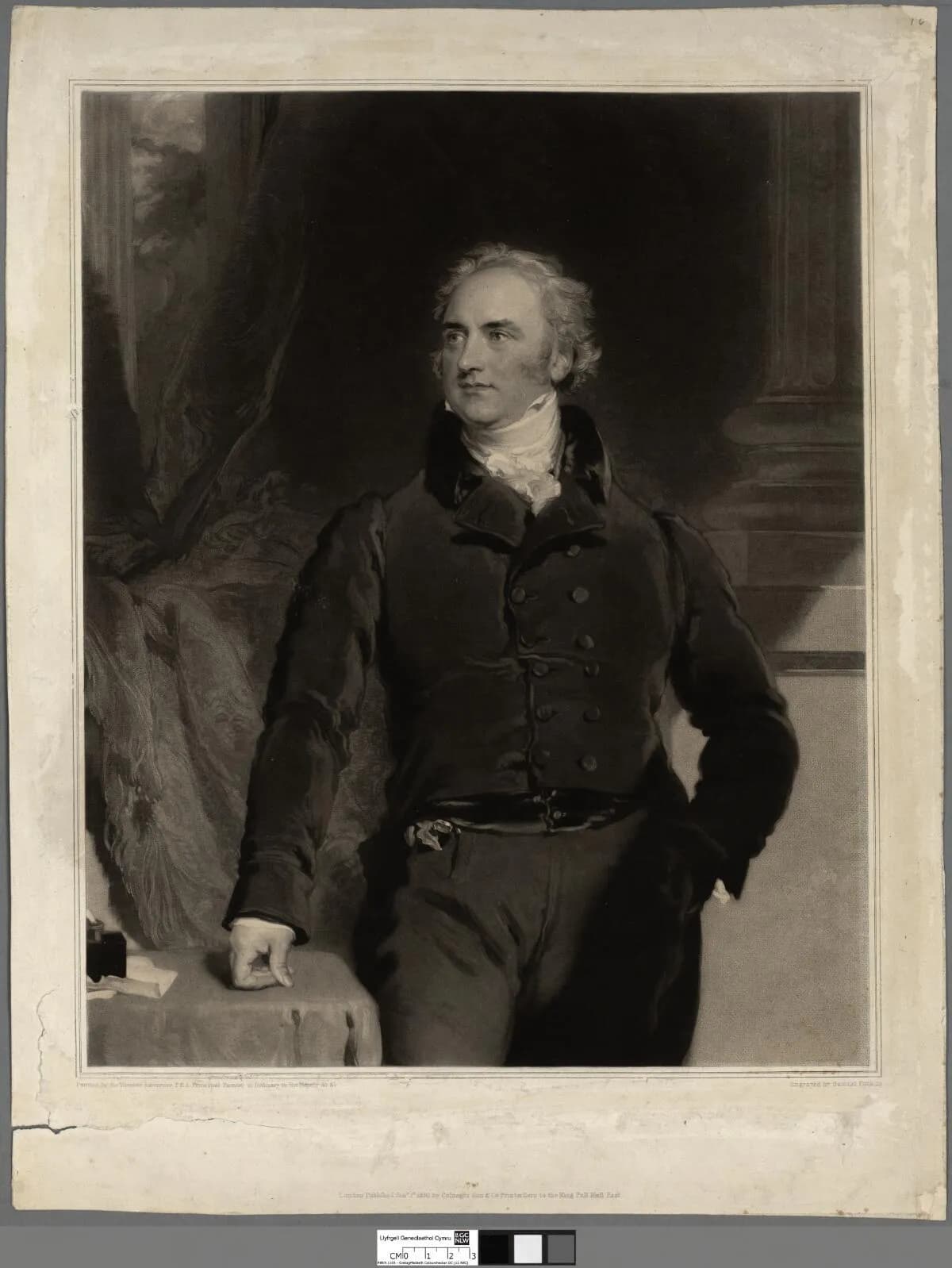
Astley Cooper was born on 23 August 1768 at Brooke Hall in Norfolk, the son of a clergyman. After training under the renowned surgeon Henry Cline at St Thomas' Hospital in London, he rose rapidly through the medical ranks. By 1800 he was surgeon to Guy's Hospital, and by 1813 his annual professional income had reached £21,000, an extraordinary sum for the era.
In 1811, Cooper built Gadebridge House on the outskirts of Hemel Hempstead. The country house stood in substantial grounds near the River Gade, offering the distinguished surgeon a retreat from his London practice. The estate would remain associated with his family for nearly a century after his death.
The Royal Operation
Cooper's surgical skill brought him to the attention of the highest levels of society. In 1820, King George IV required treatment for an infected sebaceous cyst on his scalp. Cooper performed the operation successfully with assistance from Henry Cline. The procedure proved so satisfactory that about six months later, Cooper received a baronetcy in 1821. The honour was to descend to his nephew and adopted son, also named Astley Cooper.
In 1828, he was appointed Sergeant Surgeon to George IV, cementing his position as one of the most prominent medical figures of the age. His royal connections did not fade; he continued to serve as a surgical authority within the court.
Medical Innovations and Anatomical Legacy
Cooper's contributions to surgical knowledge extended far beyond his royal patient. In 1817 he performed the first successful operation of tying the abdominal aorta for aneurysm, a procedure that demonstrated remarkable daring for its time. He was also the first to demonstrate experimentally the effects of bilateral ligation of the carotid arteries in dogs.
His published works include the influential Anatomy and Surgical Treatment of Hernia (1804–1807). Several anatomical structures still bear his name: Cooper's fascia, Cooper's ligaments (the suspensory ligaments of the breast), Cooper's pubic ligament, and Cooper's stripes. Medical texts also reference Cooper's disease (benign cysts of the breast) and Cooper's neuralgia.
His scientific achievements earned him the Copley Medal in 1801 and election as a Fellow of the Royal Society. He served as President of the Royal College of Surgeons in 1827 and again in 1836.
Philanthropy at Piccotts End
Cooper's connection to Hemel Hempstead was not merely residential. In 1827, he established the West Herts Infirmary in Piccotts End, converting a building there into what is recognised as the first cottage hospital. The institution provided free medical services to the local community, reflecting a philanthropic spirit that complemented his professional success. The building would later gain further historical significance when medieval wall paintings were discovered there in 1953.
The Iron Bridge and Railway Opposition
Around 1840, Cooper commissioned an iron bridge to carry the approach to Gadebridge House over the River Gade. The structure, erected by local iron founder Joseph Cranstone, features an attractive design resembling bamboo in the Chinese style popular at that time. The White Bridge, as it is known, still stands in Gadebridge Park today.
Less beneficial to Hemel's development was Cooper's vigorous opposition to the London and Birmingham Railway in the 1830s. Determined to protect his estate from the encroaching industrial age, he successfully campaigned to have the railway routed to the south of the town. The consequence was that Hemel Hempstead was left without a proper railway station; Boxmoor station was built one mile from the town centre, a situation that persisted for decades.
Later Years and Local Memory
Cooper died on 12 February 1841 in London at the age of 72. By his own wish, he was interred in the crypt of the Chapel of Thomas Guy at St Thomas Street, London. A statue by Edward Hodges Baily was erected in his memory at St Paul's Cathedral.
Gadebridge House remained in the Paston-Cooper family until 1905, when it passed to Lionel Hervey-Bathurst. In 1914 it became Gadebridge Park School, and later Westbrook Hay School. The house was eventually demolished in 1963, and the site is now occupied by housing.
Enduring Recognition in Hemel
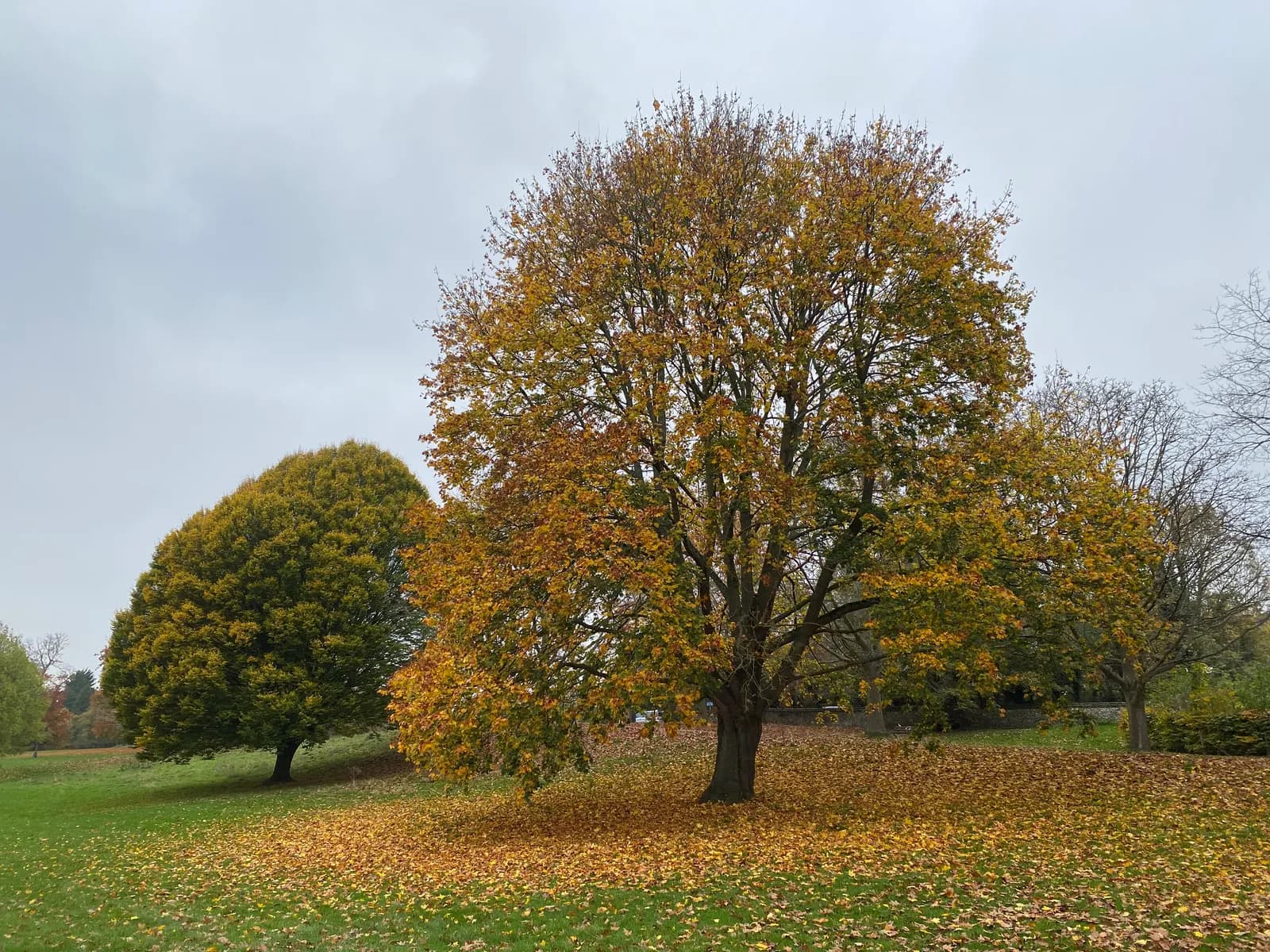
Hemel Hempstead has not forgotten its distinguished former resident. The Astley Cooper School, formed in 1984 from the merger of Grove Hill School and Highfield School, bears his name. Astley Road and Paston Road in the town commemorate his family connections. Gadebridge Park, once the private grounds of his estate, is now a public park enjoyed by residents.
The White Bridge remains as a tangible link to the man who entertained royalty at his Hemel Hempstead home and changed the course of surgical history.